Building Resilient Communities: Practical Steps and Modern Trends
A strong community is more than a network of neighbors — it’s a safety net, a source of purpose, and a multiplier for local wellbeing. Today, community building blends traditional neighborly connection with digital tools and creative local projects, producing resilient places where people thrive. Here’s how to strengthen community ties with practical, evergreen strategies.
Why community matters
– Social support reduces isolation and improves mental and physical health.
– Local networks speed recovery during emergencies and distribute resources where they’re needed.
– Community engagement boosts civic participation and creates a sense of belonging that attracts investment and local services.
Modern community trends to leverage
– Hybrid interactions: Combining online groups with regular in-person meetups keeps engagement flexible and inclusive. Use group chat platforms for coordination and face-to-face events for relationship building.
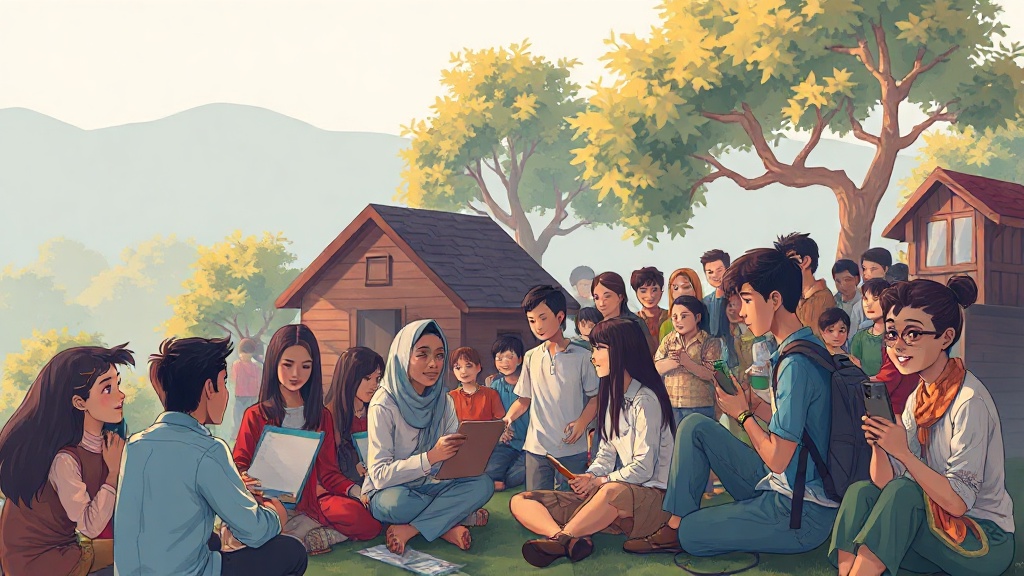
– Asset-based approaches: Focus on local strengths — skills, public spaces, small businesses — rather than deficits. This builds confidence and sustainable projects.
– Mutual aid and community services: From neighborhood tool libraries to community fridges and seed swaps, practical resource-sharing reduces waste and increases access.
– Civic technology and participatory planning: Digital surveys, open data, and online town halls make it easier for residents to shape local decisions.
– Intergenerational initiatives: Programs that connect youth and elders through mentoring, shared projects, or storytelling build social capital across ages.
Practical steps to build and sustain local community
1. Map assets and needs
Start with a simple inventory: who lives nearby, what skills and spaces exist, and what gaps people notice. This grounds action in reality and highlights quick wins.
2. Lower the barrier to participation
Host short, regular, low-cost events — a monthly potluck, neighborhood clean-up, or pop-up market. Offer childcare, accessible venues, and multiple time options to include diverse schedules.
3. Create clear, welcoming communication
Set up a reliable communication channel and make joining easy. Use clear language, multiple platforms, and a designated contact for newcomers. Celebrate small wins publicly to build momentum.
4.
Build partnerships
Local businesses, schools, faith groups, and nonprofits amplify impact. Shared events or sponsorships reduce costs and expand reach.
5.
Share resources and skills
Encourage swaps, time banks, and co-ops. A tool library or skill-share series can transform individual assets into community resources.
6. Cultivate local leadership
Rotate roles, offer light-touch training, and mentor emerging organizers. A distributed leadership model prevents burnout and fosters ownership.
7. Plan for resilience
Develop simple neighborhood emergency plans, communication trees, and resource maps. Regular drills or check-ins keep everyone prepared.
Measuring impact
Track a few meaningful indicators: event attendance, volunteer hours, resource usage (e.g., tool-lending frequency), and participant feedback. Qualitative stories — someone finding a job through a local connection or neighbors supporting each other during a storm — are powerful evidence of success.
Inclusivity as a foundation
Intentional inclusion — language access, mobility accommodations, and welcoming outreach to marginalized groups — creates stronger, fairer communities.
Listen actively and adapt activities to reflect the community’s cultural and socioeconomic diversity.
A small, consistent action creates momentum
Transformative community change doesn’t require grand plans. A monthly meet-up, a shared garden bed, or a neighborhood WhatsApp group can be the spark. Encourage one small action this week: introduce yourself to a neighbor, start a simple sign-up sheet for a park clean-up, or post an invitation to a skill-share. Those small steps build trust, unlock resources, and shape places where people feel at home.