Community resilience: how neighborhoods thrive through connection and reciprocity
Strong communities are more than a collection of houses on a street — they’re networks of people who share resources, knowledge, and care. When neighbors know and trust one another, neighborhoods recover faster from shocks, coordinate better for daily needs, and create more fulfilling lives for residents. Building community resilience is practical, low-cost, and accessible to anyone willing to take small, consistent steps.
Why resilience matters
Resilience means the ability to adapt, bounce back, and persist. For communities, that covers everything from responding to weather disruptions and economic stress to supporting mental health and preventing isolation. Resilient neighborhoods reduce dependence on centralized systems by leaning on local capacity: neighbors helping neighbors, local businesses collaborating, and informal networks filling gaps during crises.
Practical ways to strengthen local resilience
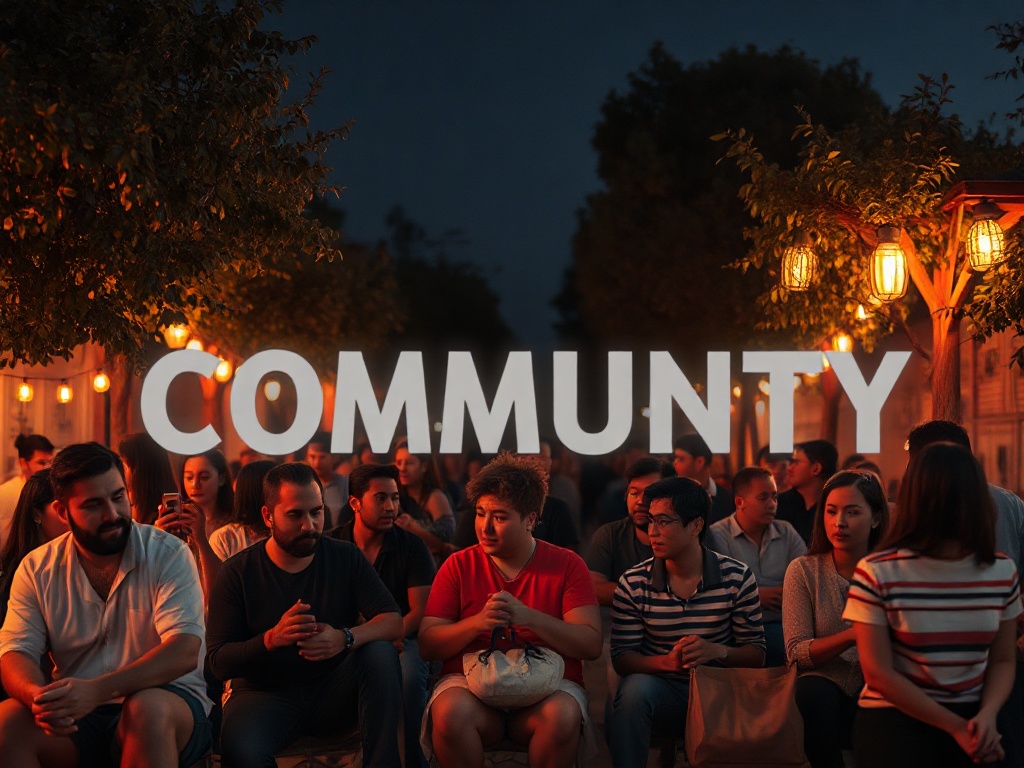
– Start small, build trust: Host a block meet-and-greet, potluck, or a neighborhood cleanup. Low-pressure social events create contact points that make it easier to ask for and offer help later.
– Create mutual-aid groups: Organize a community list or chat for exchanging favors — grocery runs for seniors, child care swaps, tool lending. Clear expectations and simple rules keep these groups sustainable.
– Share skills and resources: Timebanks, tool libraries, and skill-share workshops turn individual talents into community assets. Even a monthly skill swap (bicycle repair, resume help, basic first aid) increases local capability.
– Map local assets and vulnerabilities: Identify who can help (medically trained neighbors, bilingual residents, folks with pickup trucks) and what’s at risk (flood-prone spots, single-income households). A simple map or shared spreadsheet is valuable in both everyday and emergency situations.
– Build partnerships with local institutions: Schools, faith groups, small businesses, and libraries are hubs of resources and often want to collaborate.
Formalizing relationships before an emergency smooths coordination under pressure.
– Use digital tools thoughtfully: Neighborhood platforms can organize events, share alerts, and coordinate volunteers.
Keep privacy and inclusion in mind — not everyone uses the same apps, so combine online channels with door-knocking or printed flyers.
Design for inclusivity
Resilience is only meaningful if it serves everyone. Remove barriers to participation by offering multiple ways to get involved (in-person, online, short shifts), accommodating different languages, and making events accessible to people with mobility or sensory needs. Encourage leadership from underrepresented groups so solutions reflect the whole neighborhood.
Sustaining momentum
Consistency matters more than scale. Regular, predictable activities — a monthly repair cafe, an emergency skills workshop, a shared garden — create rhythms that reinforce relationships. Celebrate small wins and publicly acknowledge volunteers to sustain participation.
Rotate responsibilities and set clear, manageable roles so burnout doesn’t erode goodwill.
Real benefits for everyday life
Beyond disaster preparedness, resilient communities improve daily quality of life: reduced loneliness, stronger local economies, safer streets, and more vibrant public spaces. They foster a culture where people are seen and supported, turning neighbors into a dependable network.
Getting started today
Pick one simple action: introduce yourself to a neighbor, create a local contact list, or organize a shared meal. Small steps accumulate, and each connection adds resilience. Communities that invest in relationships and local systems thrive — not because they avoid challenges, but because they are better prepared to face them together.