Strong, connected communities are one of the best defenses against economic shocks, extreme weather, social isolation, and budget cuts. Building resilience doesn’t require big budgets or formal institutions—small, sustained actions by neighbors add up. Here’s a practical guide to strengthening local communities using social connection, shared resources, and simple preparedness.
Why community resilience matters now
Communities that trust each other and share resources recover faster after disruptions and create more everyday wellbeing.
Social ties reduce loneliness, help people find work and childcare, and support mental health. When neighbors know each other, information and help move quickly—whether that’s a power outage, a house fire, or an unexpected job loss.
Five pillars of a resilient neighborhood
1. Connection and trust
Regular, low-pressure interaction builds the baseline trust that makes collective action possible. Start small: hold a potluck, set up a neighborhood chat group, or create a community bulletin board.
Consistent, inclusive gatherings help people see each other as resources instead of strangers.
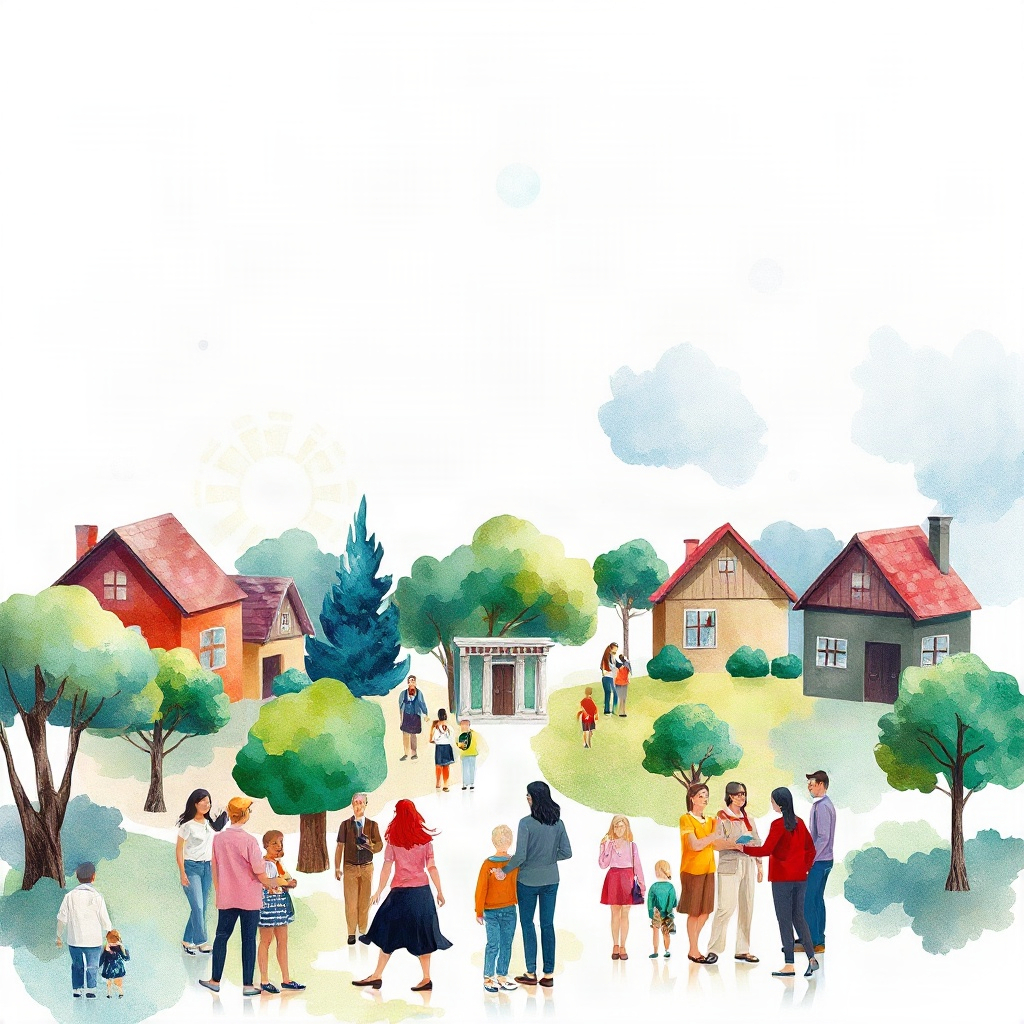
2. Mutual aid and resource-sharing
Mutual aid networks pool skills and goods so needs are met without bureaucratic delay. A neighborhood tool library, skill-swap sessions (plumbing help for Spanish lessons, for example), or a coordinated meal roster can lower costs and strengthen ties.
3.
Local digital platforms
Neighborhood apps and private social groups make coordination easier—organizing volunteers, sharing urgent alerts, or scheduling bulk purchases.
Choose platforms that respect privacy and offer moderation to keep conversations constructive.
4. Shared spaces and assets
Community gardens, pop-up markets, and shared childcare cooperatives anchor social life and provide tangible benefits.
These spaces are also useful during emergencies—serving as cooling or warming centers, distribution points, or places to charge devices.
5. Preparedness and inclusive governance
Emergency planning that includes elders, people with disabilities, renters, and non-English speakers is more effective.
Establish simple plans for communication, evacuation routes, and check-ins. Rotate leadership and decision-making to keep the effort representative and sustainable.
Actionable steps to get started this month
– Map neighborhood assets: list people with skills (medical, mechanical, language), tools, and available spaces.
– Create a multi-channel contact list: combine digital groups with physical alternatives (printed lists, walkie-talkie plan for events where cell service is unreliable).
– Host a skills fair: 2–3-hour event where neighbors teach and learn practical skills.
– Launch a community pantry or tool library: begin with donated items and a clear sign-out system.
– Set up an emergency buddy system: pair households to check on each other after disruptive events.
– Promote local businesses: organize a neighborhood buy-local day to strengthen the local economy.
Inclusive habits that last
Make meetings accessible (timing, childcare, language), rotate responsibilities, and celebrate small wins to keep participation high. Track learnings from each emergency drill or event and update plans accordingly. Regular, low-effort communication—monthly newsletters, neighborhood walks, seasonal cleanups—keeps momentum without burning volunteers out.
Why small steps scale
Resilience is cumulative. A single neighborhood potluck can turn into a garden, which becomes a meeting place for a mutual-aid group, which in turn becomes an emergency response hub. With modest effort and inclusive planning, neighbors create a network that provides everyday support and a rapid response when it matters most.
Take one step today: reach out to three neighbors, join or start a local group, or organize a simple check-in plan. Consistent connection builds safety, opportunity, and belonging that no single institution can replicate.