How to Build a Stronger Local Community
A thriving community is more than a place where people live near each other—it’s a network of relationships, shared resources, and collective action that makes daily life safer, more enjoyable, and more resilient. Whether you’re in an urban neighborhood, a suburban block, or a rural town, proven approaches can help strengthen social bonds and create lasting impact.
Start with an asset map
Every neighborhood has strengths: parks, schools, small businesses, faith groups, skilled residents, and underused spaces.
Create a simple asset map by listing what’s already available and who’s willing to contribute time or expertise. Focusing on assets—rather than problems—encourages creative, sustainable solutions.
Create low-barrier initiatives
Small, low-cost projects can generate momentum. Ideas that often succeed include:
– Community gardens or food-sharing hubs
– Little free libraries and tool libraries
– Block parties, cultural nights, and street cleanups
– Skill-swapping meetups and neighborhood walks
Keep participation easy: choose neutral meeting places, offer multiple time options, and provide childcare or translations when possible.
Build inclusive leadership
A narrow leadership circle limits impact. Invite a mix of ages, backgrounds, and life experiences to plan and lead activities. Rotate roles to prevent burnout and offer mentorship to new leaders. Clear, transparent decision-making fosters trust and keeps volunteers engaged.
Use digital tools wisely
Neighborhood apps and social platforms can amplify outreach and coordination, but they work best when paired with in-person contact.
Use online groups for quick updates, signups, and announcements, and reserve deeper conversations for face-to-face or video meetings.
Protect privacy, moderate respectfully, and ensure digital access for those who need it.
Strengthen local economies
Supporting local businesses and encouraging community-driven services keeps money circulating locally. Organize “shop local” campaigns, create co-op buying groups, and explore time banks or local currencies to value non-monetary contributions like caregiving or home repairs. Microgrants and community crowdfunding can help launch small enterprises and events.
Prepare for challenges with mutual aid
Mutual aid networks—voluntary, neighbor-to-neighbor support systems—are effective for emergencies and everyday needs. Set up a simple coordination plan for connecting volunteers with neighbors who need grocery runs, rides, or companionship. Clear guidelines around safety and boundaries protect both volunteers and recipients.
Measure progress with meaningful metrics
Track success through participation rates, diversity of attendees, repeat volunteers, and feedback surveys.
Narrative stories—testimonials, photos, or short videos—often convey impact more powerfully than numbers alone. Use outcomes to refine efforts and to attract partners or funding.
Foster a culture of celebration and appreciation
Regularly recognize volunteers and celebrate milestones. Small rituals—annual community meals, award nights, or public thank-you boards—reinforce belonging and motivate continued involvement.
Partner strategically
Collaborate with local government, schools, nonprofits, and businesses to access resources and expertise. Clear agreements about roles and expectations help keep partnerships productive and community-led.
Start small, scale thoughtfully
Effective community building moves from small wins to larger initiatives. Begin with pilot projects, gather feedback, and scale what works. Patience and persistence matter: trust grows through consistent action and responsiveness to community needs.
A resilient local community combines practical systems, inclusive leadership, and everyday kindness.
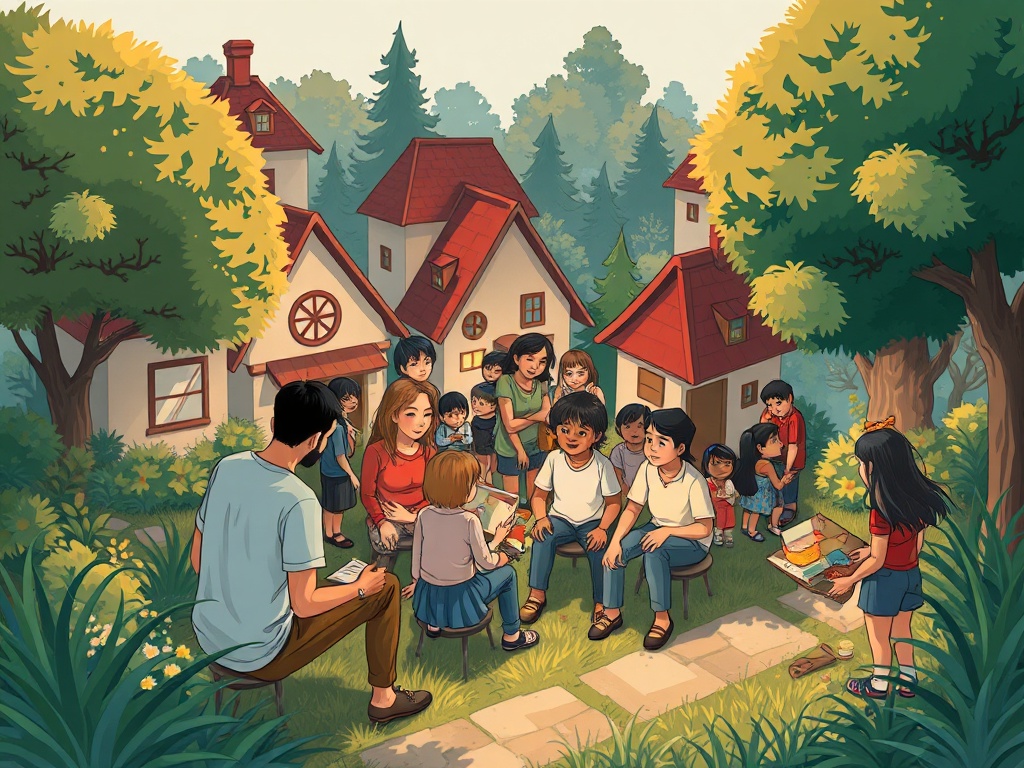
By leveraging local assets, reducing barriers, and celebrating collective effort, neighborhoods can become safer, more connected places where people look out for one another and share in mutual success.