Community projects are powerful engines for connection, resilience, and local improvement. Whether it’s a block party, neighborhood cleanup, or community garden, well-run initiatives bring neighbors together, boost civic pride, and deliver tangible benefits like cleaner streets, stronger social networks, and improved mental and physical health.
Why community efforts matter
– Social cohesion: Shared activities create relationships that reduce isolation and increase mutual support. Neighbors who know each other are more likely to watch out for one another, share resources, and collaborate on local issues.
– Health and well-being: Regular volunteering and participation reduce stress, improve mood, and encourage active lifestyles. Outdoor projects also provide opportunities for exercise and time in nature.
– Economic and environmental gains: Community-led projects can lower local costs (through resource-sharing), beautify public spaces, and promote sustainability via initiatives like recycling, native-plant landscaping, and urban agriculture.
– Civic engagement: Local projects are entry points to broader civic life.
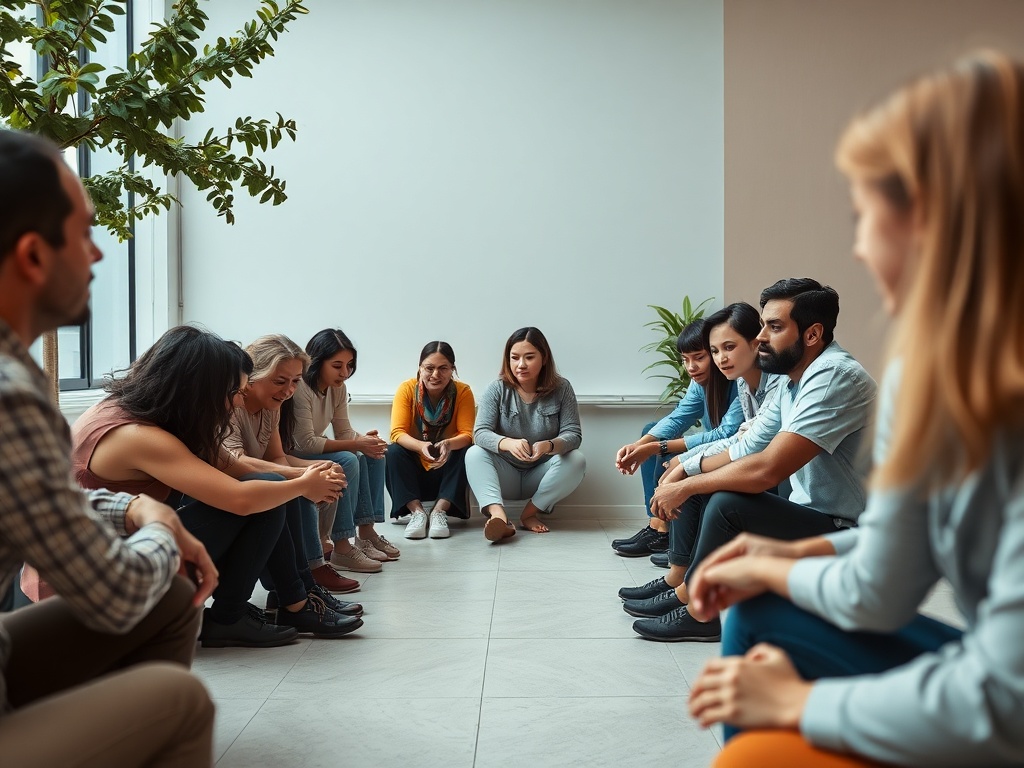
Participants often move from event volunteers to advocates for safer streets, better parks, or stronger schools.
Starting a successful community project
1. Identify a clear need: Talk to neighbors, conduct short surveys, or host an informal meeting to learn what matters most—safety, green space, food access, or cultural events.
2. Build an inclusive core team: Recruit volunteers who represent your neighborhood’s diversity—age, cultural background, language, and ability. A small, committed team keeps momentum steady.
3. Set realistic goals and roles: Define short-term milestones and assign practical roles (logistics, outreach, fundraising). Clarity prevents burnout and keeps volunteers motivated.
4. Secure space and permissions: For public-space projects, contact local authorities early to learn about permits, liability rules, and potential support. Private land projects require owner agreements and clear maintenance plans.
5. Fund smartly: Start with low-cost events and small grants. Crowdfunding, local business sponsorships, and community fundraisers are effective. Seed funds from neighborhood associations or local foundations can cover upfront costs.
6. Plan for maintenance: Sustainability is key. Create a rotating schedule, provide simple how-to guides, and recruit seasonal partners like schools or gardening clubs to share upkeep.
Keeping projects inclusive and resilient
– Communicate accessibly: Use multiple channels—door-to-door flyers, social media, community boards, and translated materials—to reach different audiences.
– Remove barriers: Offer childcare during events, schedule meetings at varied times, and ensure physical accessibility for people with disabilities.
– Celebrate contributions: Highlight volunteer stories and small wins to show appreciation and inspire continued involvement.
– Partner locally: Connect with parks departments, schools, faith groups, and small businesses. Partnerships bring tools, expertise, and credibility.
Measuring impact and staying adaptable
Track simple metrics like volunteer hours, participants reached, pounds of produce donated, or number of cleanups completed. Regularly solicit feedback and be willing to pivot activities based on community needs. Even small improvements in participation or green space use signal meaningful progress.
Every neighborhood has assets waiting to be mobilized—skills, stories, and shared aspirations. Start by asking neighbors what matters most, then design a small project that meets that need.
With thoughtful organization and inclusive outreach, community initiatives can transform public spaces and build long-lasting social capital that benefits everyone. Take the first step: host a listening session, post a sign-up sheet at a local hub, or invite three neighbors for a planning conversation.