How to Build Stronger Communities: Practical Strategies for Local and Digital Neighborhoods
Strong communities are built on small, consistent actions that increase trust, connection, and purpose. Whether you’re shaping a neighborhood association, a workplace culture, or an online group, the same core principles apply. This article outlines practical strategies to strengthen community bonds and create lasting impact.
Core pillars of community strength
– Connection: Frequent, low-pressure interactions build familiarity. Casual meetups, shared projects, and online forums help people move from strangers to neighbors.
– Purpose: Communities thrive when members share a clear goal—improving a park, supporting local businesses, or mentoring youth.
Purpose channels energy and sustains momentum.
– Trust: Transparency, accountability, and reliable follow-through reinforce trust. Publicly documenting decisions and outcomes reduces conflict and increases participation.
– Inclusion: Intentional efforts to remove barriers to participation—language access, childcare, flexible meeting times—make communities more resilient and representative.
Blending physical and digital engagement
Digital tools extend reach but don’t replace face-to-face contact. Social platforms, messaging apps, and community management tools can organize volunteers, crowdsource ideas, and share resources quickly. Pair these with in-person touchpoints: block parties, pop-up workshops, or guided walks create stronger bonds than online interactions alone.
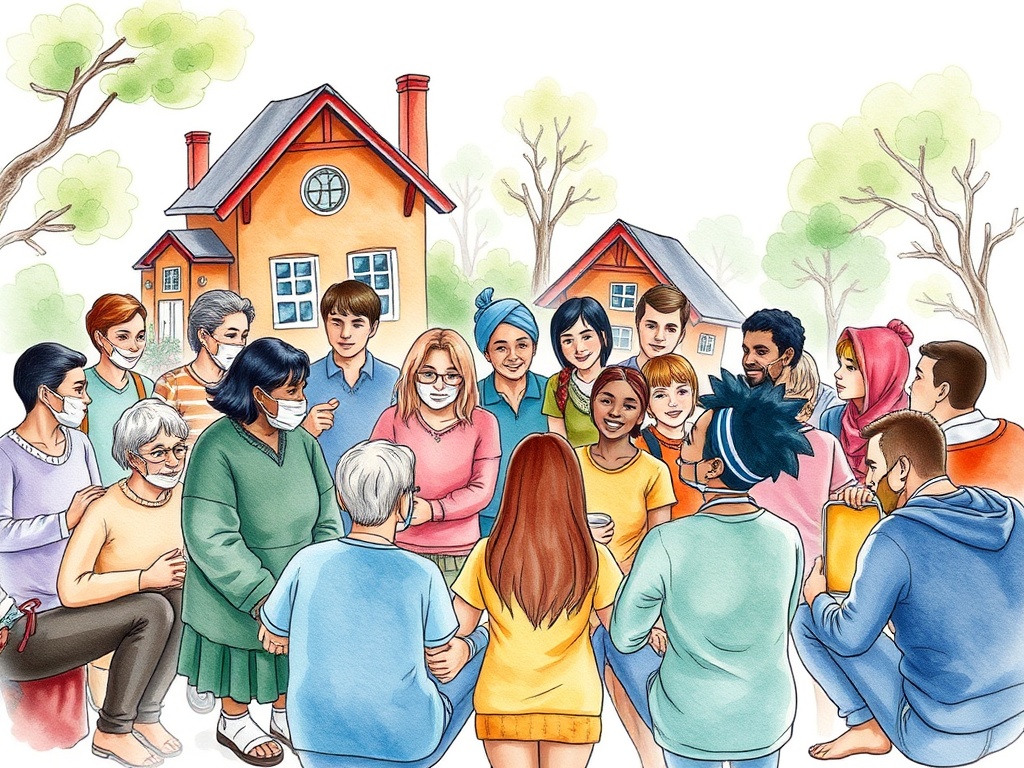
Hybrid events—live gatherings with virtual participation options—offer accessibility while preserving human connection.
Practical actions that produce results
– Start with listening: Host short listening sessions or surveys to learn priorities. Use simple formats—open mic nights, suggestion boxes, or digital polls—to collect diverse perspectives.
– Launch small, visible wins: A community garden plot, coordinated litter clean-up, or a skill-sharing night gives people a sense of progress and invites more involvement.
– Build partnerships: Collaborate with schools, libraries, local businesses, and nonprofits to amplify resources and credibility. Cross-promotion brings new members and shared benefits.
– Create micro-volunteering opportunities: Offer tasks that take 30–60 minutes—phone banking, translating flyers, or planting bulbs—so busy people can still contribute.
– Use clear roles and simple governance: Define roles for organizers, volunteers, and decision-makers. Clear expectations reduce burnout and conflict.
– Track participation and outcomes: Monitor attendance, repeat participation, and tangible outcomes (e.g., park benches installed). Data informs what’s working and where to adapt.
Design for equity and safety
Prioritize accessibility: multilingual communications, ADA-compliant venues, and sliding-scale fees for activities. Establish codes of conduct for both in-person and online spaces to protect vulnerable members and make expectations clear.
When addressing conflict, use restorative practices that focus on repair and learning rather than punishment.
Sustaining momentum
Financial sustainability can come from small donations, grants, membership models, or partnerships with local businesses. Rotate leadership to prevent burnout and create pathways for newcomers to take on responsibilities.
Celebrate milestones publicly to reinforce community identity and attract attention.
Measuring impact and iterating
Measure both quantitative and qualitative outcomes: event attendance, volunteer hours, and member stories. Regularly revisit goals with stakeholders and be willing to pivot. Small experiments with clear feedback loops help communities evolve without losing momentum.
Getting started
Begin with one listening event, a single small project, and a simple digital space for coordination.
Momentum grows when people feel seen, useful, and connected.
With consistent effort and a focus on inclusion, communities can transform shared spaces into sources of resilience, belonging, and collective purpose.