Modern Philanthropy: Trends and Strategies for Maximum Impact
Philanthropy is shifting from one-way giving to strategic partnerships that prioritize measurable outcomes, equity, and long-term resilience. Donors, nonprofits, and corporations are rethinking how funds are deployed, how impact is measured, and how communities are centered in decision-making. Understanding these shifts helps donors maximize their impact and allows nonprofits to build sustainable programs.
Strategic, focused giving
Many donors are moving away from scattered donations toward focused strategies that target root causes. Whether supporting education, climate resilience, or public health, strategic giving involves:
– Setting clear goals and indicators for success
– Funding initiatives that scale or replicate proven solutions
– Prioritizing systems change over short-term fixes
Unrestricted funding and capacity building
Grantmakers increasingly recognize that unrestricted funding and investments in operational capacity yield stronger, more sustainable organizations. Covering overhead, staff development, and infrastructure enables nonprofits to adapt, innovate, and retain talent — all essential for long-term impact.
Data-driven impact measurement
Effective philanthropy relies on reliable measurement, but measurement should be proportionate and context-sensitive. Funders are investing in shared metrics, participatory evaluation methods, and real-time data systems that inform course corrections without overburdening grantees.
Key practices include:
– Co-developing metrics with community partners
– Using mixed methods (qualitative + quantitative) for richer insights
– Sharing learnings publicly to benefit the broader sector
Participatory and community-led approaches
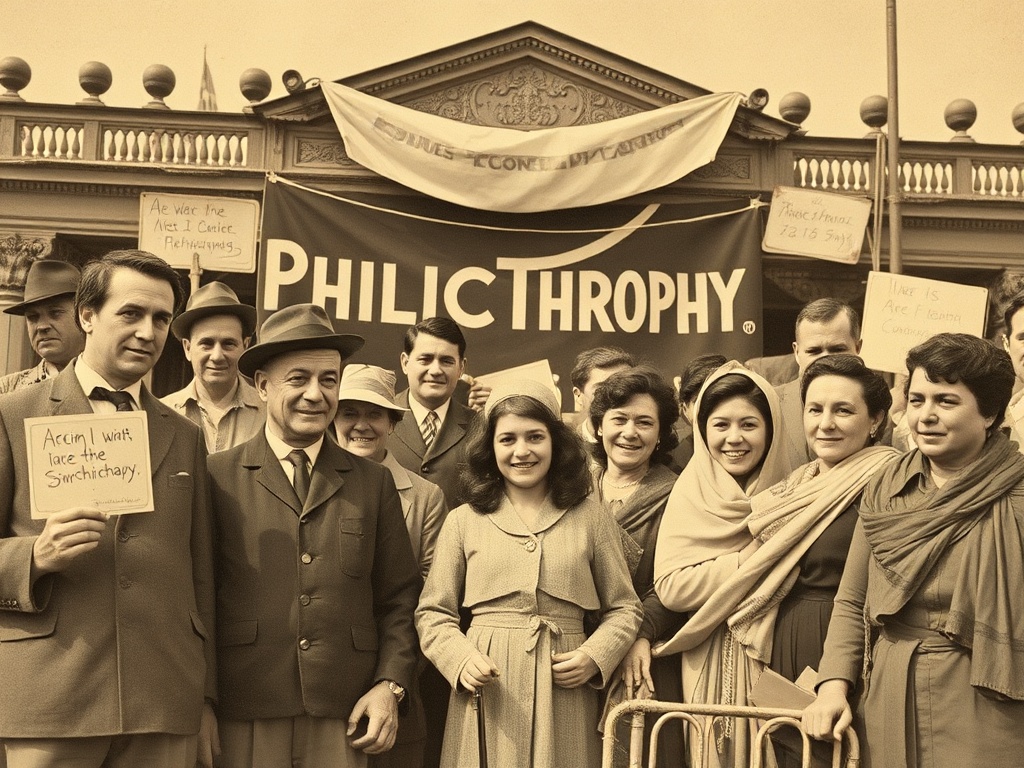
More philanthropic efforts place community leadership at the center. That means listening to those with lived experience, trusting local organizations to allocate resources, and supporting grassroots leadership. Participatory grantmaking builds trust, improves relevance, and often results in more effective outcomes.
Donor-advised funds and new vehicles
Flexible giving vehicles expanded access to charitable giving, allowing donors to recommend grants while benefiting from consolidated administration. Alongside traditional foundations, new structures — pooled funds, social impact bonds, and mission-driven investment platforms — are creating more pathways to align capital with values across risk and return profiles.
Corporate philanthropy and employee engagement
Corporations are integrating social impact into business strategy rather than treating philanthropy as separate. Strategic partnerships, employee volunteer programs, matched giving, and impact investing tie corporate resources to measurable social outcomes while strengthening employer brand and employee morale.
Transparency and trust
Transparency in grantmaking, decision processes, and outcomes is now a baseline expectation. Donors who disclose selection criteria and outcomes promote accountability and help smaller funders learn. Nonprofits that communicate transparently about impact, challenges, and financials build credibility and encourage diverse funding.
Embracing innovation and risk
Philanthropy can test bold ideas that public funds may not. Embracing calculated risk — early-stage funding for promising pilots, blended finance models, and cross-sector collaborations — accelerates innovation. Funders who tolerate failure as part of learning foster a healthier innovation ecosystem.
Practical tips for effective giving
– Focus on a few strategic priorities and learn deeply about them
– Prefer multi-year, unrestricted grants when possible
– Co-design evaluation frameworks with grantee partners
– Support capacity building and leadership development
– Share lessons and be transparent about results and trade-offs
Philanthropy is evolving toward more collaborative, data-informed, and equity-centered practices. By prioritizing long-term partnerships, elevating community voices, and balancing bold experimentation with rigorous learning, donors and organizations can amplify impact and help solve complex social challenges more effectively.