Cash assistance and digital payments are reshaping humanitarian response, offering faster, more dignified, and more efficient ways to help people affected by crisis. As humanitarian systems adapt to growing displacement, climate shocks, and protracted conflicts, shifting from in-kind aid to cash-first approaches has become a practical, people-centered strategy.
Why cash assistance matters
Cash gives recipients the power to prioritize their own needs — food, rent, medicine, or school supplies — which improves dignity and restores a measure of normalcy after disruption.
Cash can also stimulate local markets, supporting small businesses and accelerating economic recovery in affected areas. For aid organizations, cash reduces logistical burdens: fewer warehouses, less transport, and lower risks associated with moving physical goods.
Digital payments unlock scale and speed
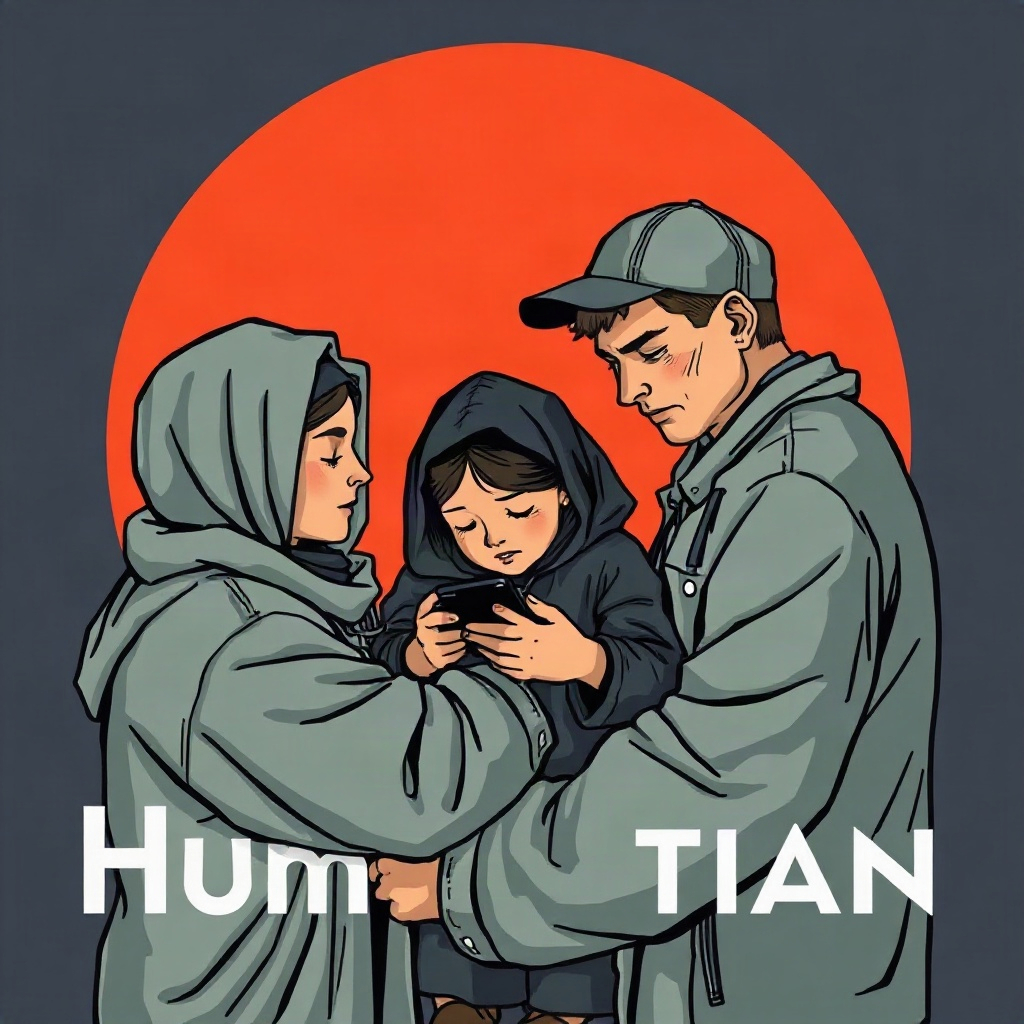
Digital payment options — mobile money, e-vouchers, digital wallets, and bank transfers — make cash assistance faster and safer. They reduce the need for staff to distribute physical cash in high-security-risk zones and create auditable transaction trails that improve transparency and donor confidence. Digital systems can also integrate with biometric ID or registry platforms to target assistance more accurately and prevent duplication.
Core considerations for effective implementation
– Protection and privacy: Data collected for digital payments must be secured. Robust privacy policies, encryption, and limited data retention reduce the risk of misuse. Special attention is needed for vulnerable groups, including survivors of gender-based violence, to prevent exposure or retraumatization.
– Financial inclusion: Not all recipients have access to formal financial services. Programs should include onboarding support, low-cost mobile devices, or cash-out points where needed. Partnerships with local financial service providers help bridge gaps.
– Market assessment: Before issuing cash, organizations should verify that local markets can meet increased demand without causing inflation. Assessments of supply chains, price stability, and vendor capacity guide safe transfer values.
– Local partnerships and localization: Collaborating with local NGOs, cooperatives, and community leaders improves cultural appropriateness and reach. Localization strengthens community trust and builds local capacity for long-term resilience.
– Coordination and harmonization: Multiple actors in the same context should coordinate transfer values, targeting criteria, and payment modalities to avoid market distortion and reduce recipient confusion.
– Scalability and contingency planning: Digital systems must be resilient to outages and cyber threats. Backup plans — including manual verification and multiple cash-out networks — ensure continuity during disruptions.
Innovations and trends to watch
Humanitarian organizations are experimenting with hybrid models that combine cash with digital vouchers for specific goods, conditional transfers tied to education or health outcomes, and tokenized assets to enhance traceability.
Biometric registration and interoperable ID systems are improving targeting but require strict ethical governance to protect privacy and consent.
Measuring impact
Effectiveness is assessed through indicators like recipient satisfaction, timeliness of delivery, market responses, and protection outcomes. Regular feedback loops with beneficiaries enable course corrections and help refine transfer values and delivery mechanisms.
Practical steps for humanitarian teams
Start with a rapid market assessment, consult communities on preferences, pilot digital modalities at small scale, and scale up while documenting lessons. Prioritize partnerships with local financial providers and civil society organizations to build trust and sustainability.
As crises evolve, cash assistance and digital payments offer a flexible, dignified response that meets people where they are.
When implemented thoughtfully — with attention to protection, inclusion, and market dynamics — cash-first programming enhances recovery and empowers communities to rebuild on their own terms.