Community-led climate resilience is becoming a powerful driver of social impact, blending preparedness with equity to help neighborhoods withstand shocks and thrive. As extreme weather and social stresses intensify, locally rooted approaches deliver practical solutions that reach the people most affected while building long-term capacity.
Why community-led resilience matters
Top-down strategies often miss local knowledge, trust networks, and the specific vulnerabilities of different populations.
Community-led initiatives center residents’ priorities, reduce disparities, and create more durable outcomes. Benefits include faster emergency response, improved mental and physical health, job creation through green projects, and stronger social cohesion.
Core components of successful initiatives
– Community engagement: Deep, inclusive participation ensures plans reflect diverse needs.
Trusted local organizations, faith groups, and neighborhood associations help surface priorities from renters, seniors, frontline workers, and other often-overlooked groups.
– Nature-based solutions: Green infrastructure—urban tree canopies, rain gardens, bioswales—manages stormwater, cools neighborhoods, improves air quality, and provides public space.
These solutions are cost-effective and deliver multiple social benefits.
– Local economic development: Microgrants, workforce training for green jobs, and community-owned clean energy projects keep economic benefits local while boosting resilience.
– Data-driven planning: Participatory mapping, heat vulnerability indices, and community surveys guide interventions where they’ll do the most good. Open data helps residents hold systems accountable.
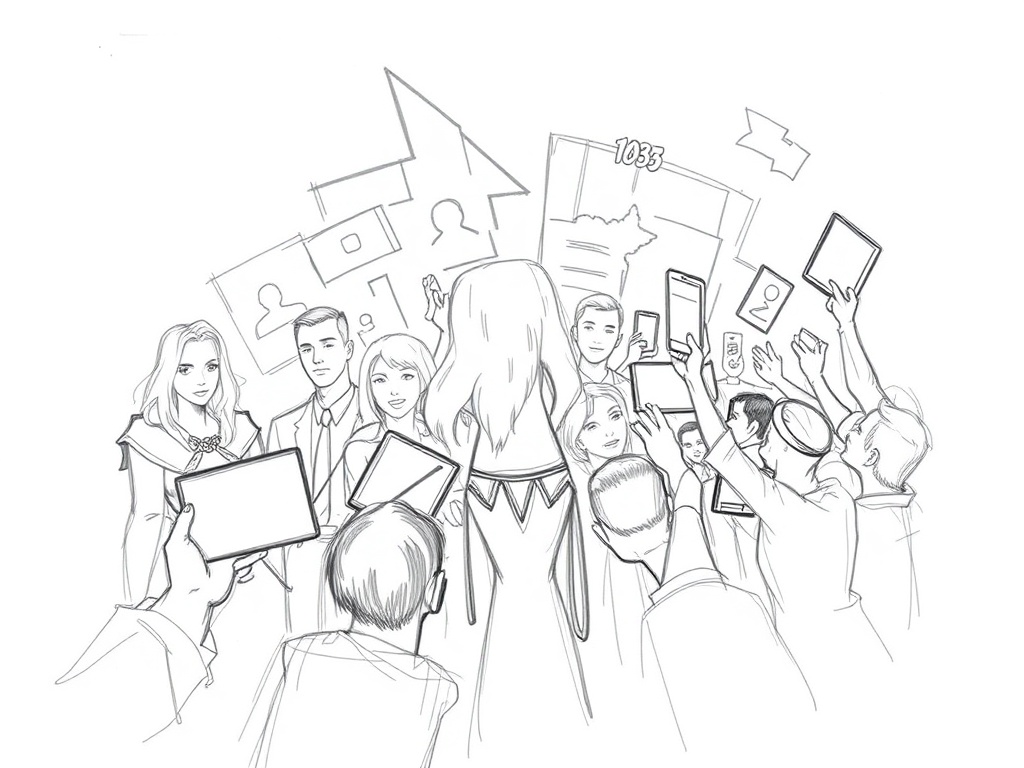
– Adaptive governance: Flexible funding, cross-agency collaboration, and community representation on decision-making bodies speed implementation and build trust.
Funding and partnerships that scale impact
Community resilience projects often blend public funding, philanthropy, private investment, and community capital. Look for mechanisms such as pooled local funds, outcomes-based contracts, and social impact bonds that reward measurable results. Public–private partnerships can expand technical capacity, while philanthropic dollars can de-risk pilot projects so they can be scaled by municipal budgets.
Measuring social impact
Meaningful metrics go beyond outputs (e.g., number of trees planted) to track outcomes like reduced flood damage, decreased heat-related illnesses, improved mental health, and increased household economic stability.
Use a mix of quantitative and qualitative measures:
– Health indicators: ER visits for heat-related illness, asthma rates.
– Economic indicators: Local job placement from resilience programs, small business recovery times after events.
– Equity indicators: Access to cooling centers, distribution of green infrastructure by neighborhood income level.
– Social indicators: Levels of community participation, trust in local institutions.
Practical steps for community leaders
1. Start with listening: Host neighborhood forums and focus groups with outreach that meets people where they are.
2.
Map risks and assets: Combine technical risk maps with resident knowledge to prioritize actions.
3. Pursue quick wins: Small, visible projects (community gardens, stormwater planters) build momentum and trust.
4. Build workforce pipelines: Partner with community colleges and job programs for training in green infrastructure and emergency services.
5. Institutionalize participation: Create seats for community representatives in planning bodies and budget processes.
Why equity should be central
Resilience that ignores equity can reinforce existing injustices. Prioritizing historically underserved neighborhoods, ensuring affordable housing options, and protecting small businesses are essential to avoid displacement and ensure benefits reach those who need them most.
Actionable outcomes emerge when community voices lead planning, funding follows those priorities, and measurement focuses on lived benefits. For cities and neighborhoods aiming to become more resilient, centering local leadership and equity creates social impact that lasts.