Philanthropy has undergone significant transformations in recent times, markedly due to the profound influence of digital technology. Today, the act of giving is not just about writing a check to a charitable organization. Now, philanthropy encompasses a wide array of acts, from sharing a social cause on social media to crowdfunding campaigns. This shift has democratized philanthropy, making it accessible to individuals at every socio-economic level.
Digital technology has made it easier for non-profit organizations to reach out to potential donors and engage them effectively. Social media platforms offer a range of ways to spread awareness about a cause and engage with potential donors.
Campaigns have gone viral, thanks to the power of clicks, likes, and shares.
Online crowdfunding platforms have emerged as a powerful tool for raising funds for a myriad of causes. From funding medical expenses, assisting disaster-stricken areas, to supporting underprivileged children, these platforms have made it possible for anyone to start a philanthropic initiative. The beauty of crowdfunding lies in the fact that it not only raises funds but also creates a community of people who are passionate about the cause.
Meanwhile, digital payments have streamlined the process of donating, making it as simple as clicking a button. This accessibility has resulted in increased individual contributions. Mobile giving, text-to-donate campaigns, and QR codes are some examples of how technology has democratized the act of giving.
Technology has also fostered transparency in the realm of philanthropy.
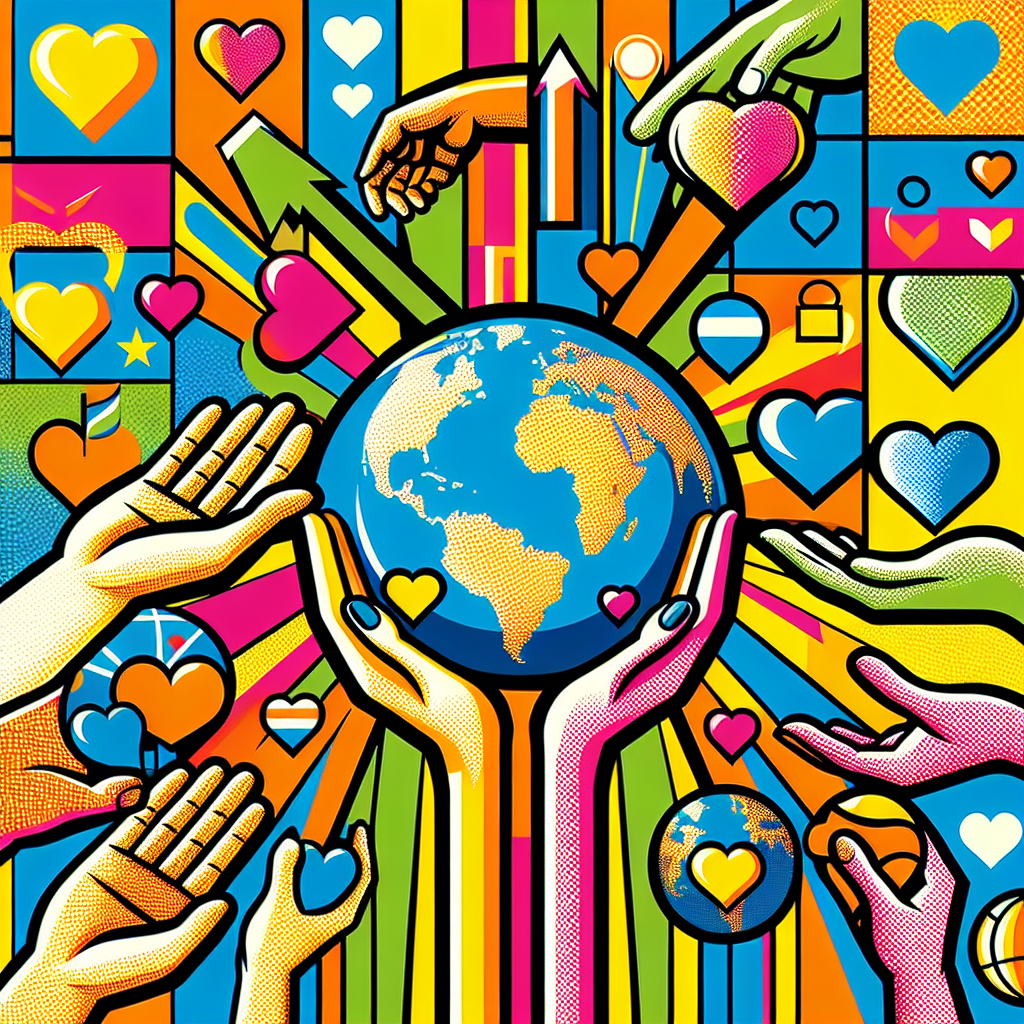
Today’s donors want to know how their funds are being utilized. Many organizations now provide regular updates on their projects, thereby ensuring their donors stay informed and engaged.
This transparency builds trust and motivates donors to continue supporting the cause.
Another noteworthy trend in philanthropy is the rise of impact investing. This approach bridges the gap between philanthropy and investment. It allows individuals and corporations to invest in social enterprises and funds that aim to generate both a social impact and a financial return.
The emergence of these new giving platforms has expanded the horizon of philanthropy.
However, despite the many positive changes, there are challenges that need to be addressed.
Data privacy and security issues are of utmost importance in the digital world. Non-profit organizations must ensure stringent measures to safeguard donor data. At the same time, it’s crucial to strike a balance between personalization and intrusion. While technology enables organizations to tailor their communication to individual donors, it’s essential not to cross the line.
Moreover, as the digital divide persists, it’s important to ensure that philanthropy remains inclusive. Despite the growing popularity of digital philanthropy, traditional modes of giving should not be neglected. Organizations must strive to engage with all potential donors, irrespective of their digital literacy levels.
The evolving landscape of philanthropy reveals a promising future wherein technology and a deep-seated desire for social change come together to create impactful solutions. By harnessing the power of digital trends, philanthropy can continue to grow and reach new heights, bringing about a world where everyone has the opportunity to contribute to positive change. Today, philanthropy is no longer just the domain of the wealthy – it’s a collective endeavor that brings together people from all walks of life, united by a shared vision for a better world.