Strong communities are adaptable, connected, and able to meet local needs without waiting for outside solutions. Building community resilience is both practical and rewarding: it starts with relationships and grows through shared projects that deliver tangible benefits. Below are high-impact strategies that community leaders, neighbors, and small organizations can use to strengthen local bonds and improve quality of life.
Start with listening and needs assessment
Hold small, informal conversations and short surveys to learn what matters to residents.
Focus groups, pop-up tables at local events, and door-to-door chats reveal priorities that formal reports often miss. Capture both immediate needs (transportation, food access) and less obvious gaps (youth mentoring, spaces for seniors).
Create low-cost, high-value shared resources
Shared assets multiply local capacity without heavy investment. Consider:
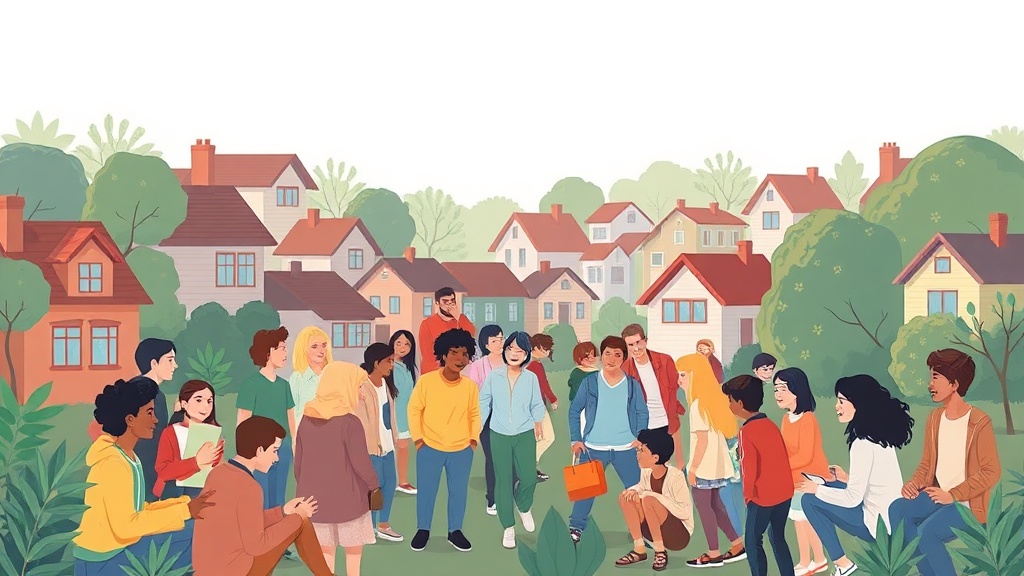
– Community gardens that provide fresh food and social space.
– Tool libraries and repair cafes that lower household costs and build skills.
– Pop-up child care swaps or time-banked services where neighbors trade hours instead of money.
Use digital tools thoughtfully
Digital platforms can widen participation, not replace face-to-face connection.
Simple community websites, group messaging apps, and event calendars keep people informed. Ensure tools are accessible—offer multilingual content, phone-in options, and occasional paper notices for those less tech-inclined.
Design inclusive engagement practices
Inclusive engagement prevents volunteer burnout and ensures diverse voices shape priorities. Host meetings at different times and locations, provide child care and interpretation when possible, and use neutral facilitators to make conversations productive. Rotate leadership roles to build capacity among newcomers.
Partner strategically
Local partnerships multiply impact.
Schools, faith groups, small businesses, and health providers can contribute space, volunteers, or expertise. Approach partners with clear asks and shared benefits—partnering around a single event or pilot project builds trust for larger collaborations.
Plan for everyday and emergency resilience
Resilience covers routine challenges and unexpected events. Create neighborhood communication trees, map local skills and resources (who has medical training; who has a trailer), and identify safe meeting places. Regular drills and information-sharing sessions increase confidence without requiring heavy resources.
Measure progress and iterate
Simple metrics keep projects honest and fundable. Track participation numbers, volunteer hours, meals served, or satisfaction scores from participants. Use short check-ins to adapt approaches—what worked last season may need tweaking as needs shift.
Cultivate culture, not just projects
Events like block parties, story nights, or neighborhood cleanups create social glue. Celebrate small wins publicly: share photos, thank volunteers, and highlight individual stories. A culture of appreciation attracts more people to contribute over time.
Start small and scale thoughtfully
Pilot a single, manageable project that addresses a clear need—an afternoon tool swap, a monthly community meal, or a homework club. Use the pilot to refine logistics, build a volunteer base, and demonstrate impact. Successful pilots naturally lead to more ambitious initiatives.
Practical next steps
– Host a listening session at a café or park and invite a cross-section of neighbors.
– Map existing assets and gaps on a simple shared document.
– Launch one pilot project with clear volunteer roles and measurable goals.
Communities grow stronger when people invest time in one another. By combining listening, low-cost shared resources, inclusive engagement, and practical planning, neighborhoods can become more resilient, equitable, and enjoyable places to live. Small, consistent actions create momentum—start with one conversation and build from there.