Building Resilient Communities: Practical Steps for Stronger Neighborhoods
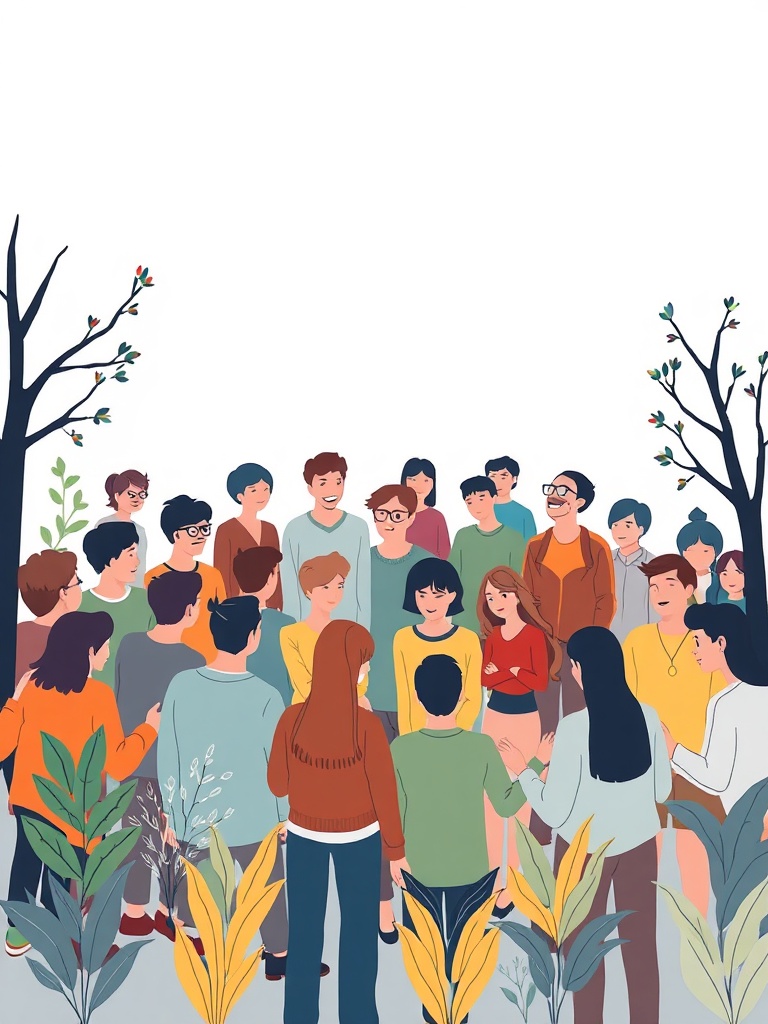
Communities are where people meet needs that institutions alone cannot fill: friendship, safety, shared resources, and a sense of belonging. As social patterns shift and more interactions blend online and offline, neighborhoods that intentionally cultivate connection become more resilient, healthier, and better able to respond to change.
Why community matters
Strong communities increase social capital—trust, norms, and networks that enable cooperation.
That translates into tangible benefits: lower isolation and better mental health, faster mutual aid during emergencies, more effective local advocacy, and richer everyday life through shared skills and cultural exchange. Communities that mix informal social bonds with organized structures are better equipped to support aging residents, welcome newcomers, and withstand economic or environmental shocks.
Practical steps to strengthen your community
– Start with listening: Host low-barrier conversations—porch meetups, listening sessions at local centers, or online surveys—to learn what neighbors care about and what assets already exist. Listening builds trust and prevents well-intentioned projects from missing real needs.
– Map local assets: Identify physical spaces (parks, libraries, faith centers), skills (volunteers, tradespeople, artists), and material resources (tools, seeds, vehicles). Asset maps make coordination easier and highlight untapped potential.
– Create small, regular rituals: Weekly cleanups, monthly potlucks, or book exchanges create predictable opportunities to connect. Consistency matters more than scale—small rituals compound trust over time.
– Lower barriers to participation: Offer childcare during meetings, rotate meeting times, provide translation, and use accessible venues.
Digital participation options—group chats, community pages, bulletin boards—help include those who can’t attend in person.
– Build collaborative projects: Start with pragmatic initiatives like community gardens, tool libraries, time-banking, or mutual-help lists.
Shared projects produce visible benefits quickly, reinforcing capacity and momentum.
– Establish simple, transparent governance: Use clear decision-making processes and roles to prevent burnout and ensure accountability.
Rotate leadership and keep budgets open to build confidence across the group.
– Connect with local institutions: Partnering with schools, libraries, small businesses, and local government can unlock resources, expertise, and legitimacy while keeping community priorities at the center.
Design for inclusivity and equity
Resilient communities are intentionally inclusive. That means recognizing historic exclusions, centering marginalized voices, and sharing power. Translate outreach into action by offering stipends for participation, language access, and accessible materials.
Evaluate whose needs are being met and whose are overlooked, and adapt strategies to reduce barriers.
Sustainability and measuring success
Track simple indicators to gauge progress: number of active volunteers, attendance at events, shared resources lent, or responses to mutual-aid requests.
Qualitative signals—stories of neighbor-to-neighbor help, increased feelings of safety, or a stronger sense of belonging—are equally important.
Celebrate wins publicly to attract newcomers and recognize contributions.
Leveraging hybrid networks
Combining online tools with physical community life multiplies impact.
Use neighborhood platforms for announcements and coordination, while preserving in-person touchpoints for deeper relationship-building. Digital tools should be used to supplement, not replace, direct human connection.
Every neighborhood has assets waiting to be activated. Start small, prioritize listening and inclusion, and focus on practical projects that meet everyday needs. Over time, those incremental investments in connection and capacity create neighborhoods that are not only friendlier but also more adaptive and resilient when challenges arise. Take a first step: invite a neighbor to coffee, post an offer of help, or organize a short, welcoming meeting—small acts lead to lasting change.