One Health: A unified strategy for healthier people, animals, and ecosystems
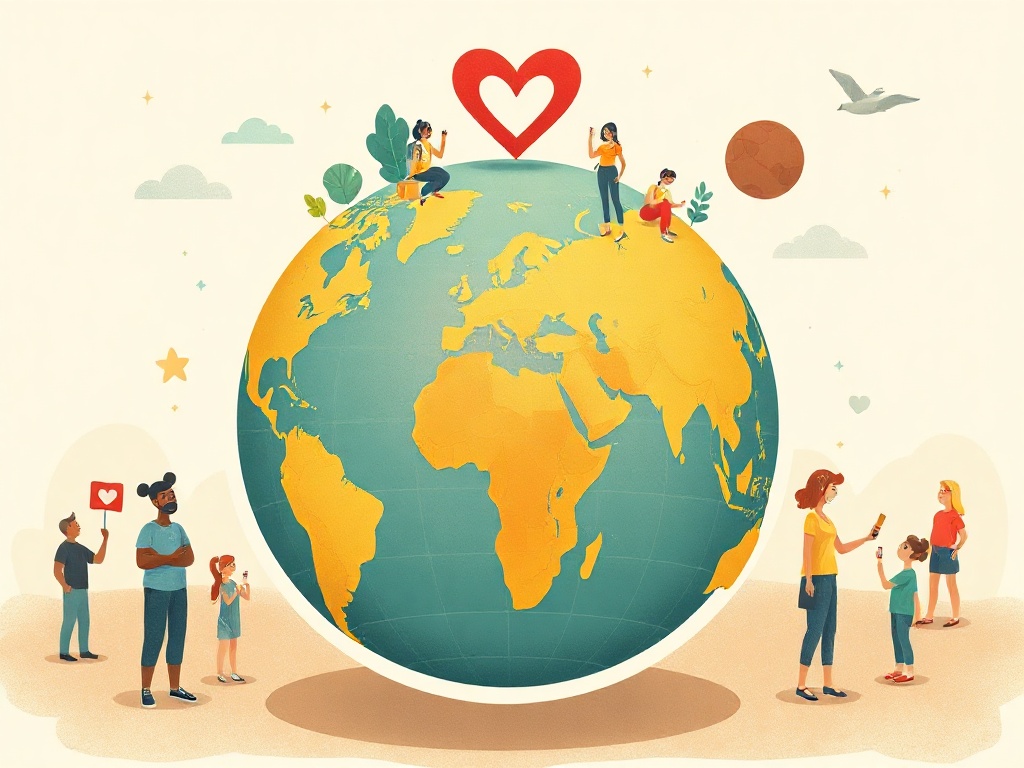
Global health challenges are increasingly interconnected. Emerging infectious diseases, antimicrobial resistance, and the health effects of environmental change all share a common root: the interface between humans, animals, and the environment. The One Health approach recognizes these links and calls for coordinated action across medicine, veterinary science, ecology, agriculture, and public policy to prevent outbreaks, protect livelihoods, and strengthen resilient health systems.
Why One Health matters
Many pathogens that threaten human health originate in animals. Land-use change, wildlife trade, intensive farming, and complex supply chains increase the chances of spillover—when a pathogen jumps from animals to people. At the same time, widespread use of antibiotics in human health and animal production accelerates antimicrobial resistance, undermining the effectiveness of essential treatments. Environmental degradation and climate variability further alter disease patterns, expanding the geographic ranges of vectors and disrupting food and water systems.
Practical priorities for impact
– Strengthen surveillance and data-sharing: Integrated surveillance systems that link human, animal, and environmental data help detect unusual events faster.
Shared laboratory networks, standardized reporting, and interoperable data platforms enable rapid risk assessment and targeted responses.
– Promote responsible antimicrobial use: Stewardship programs across hospitals, clinics, and farms are essential. This includes improved diagnostics, evidence-based prescribing, vaccination to reduce disease burden, and regulatory measures to curb non-therapeutic antibiotic use in agriculture.
– Protect ecosystems and food systems: Preserving natural habitats, enforcing sustainable farming practices, and reducing wildlife exploitation lower spillover risk. Supporting smallholder farmers with biosecurity training and access to veterinary care improves animal health while protecting public health.
– Build multisectoral capacity: Training programs, joint outbreak simulations, and formalized communication channels between ministries of health, agriculture, and environment create the institutional muscle needed for rapid coordinated action.
– Invest in community engagement: Local knowledge and trusted community voices are critical for surveillance, behavior change, and vaccine uptake. Engaging communities respectfully improves compliance with public health measures and helps tailor interventions to cultural contexts.
What governments and institutions can do
Policymakers can enable One Health by aligning regulatory frameworks, funding cross-sectoral research, and incentivizing private sector practices that reduce risk across the food chain. Public health investment should prioritize laboratory networks, workforce training, and supply chains for essential medical countermeasures.
International collaboration and financing mechanisms can support low-resource settings to build mutually beneficial capacity.
What individuals and organizations can do
Healthcare providers can adopt stewardship and prevention practices. Farmers and industry leaders can transition to sustainable animal husbandry and reduce routine antibiotic use. Nonprofits and research institutions can focus on translational work that connects surveillance data to practical interventions. Individuals can support conservation efforts, trust evidence-based health guidance, and advocate for policies that protect public and environmental health.
A practical path forward
Addressing complex global health threats requires coordinated, practical steps that span disciplines and geographies.
By investing in integrated surveillance, responsible antimicrobial policies, sustainable environmental practices, and strong community partnerships, stakeholders can reduce the likelihood of outbreaks, preserve the effectiveness of medicines, and protect human and animal well-being. Progress hinges on collaboration: the health of people is inseparable from the health of animals and the ecosystems that sustain them.