Neighborhood Strength: Practical Steps to Build a Resilient Community
Strong neighborhoods aren’t just about proximity; they grow from intentional connections, shared resources, and ongoing participation. Whether you’re starting from scratch or looking to strengthen existing ties, practical, low-cost actions can transform neighbors into a resilient, engaged community.
Why community matters
Communities that invest in relationships see benefits across wellbeing, safety, and local economy. People who know their neighbors report higher levels of trust, feel safer, and are more likely to support local businesses and small initiatives. Creating a culture of cooperation also makes neighborhoods better prepared for disruptions, from power outages to sudden economic shifts.
Practical steps to boost neighborhood engagement
– Start small with regular meetups: Host monthly or quarterly gatherings—potlucks, park cleanups, or game nights—to lower barriers to connection. Rotating hosts or themes keeps events fresh and inclusive.
– Create shared spaces: Community gardens, pocket parks, and tool libraries encourage ongoing interaction. These projects also provide tangible benefits: fresh produce, safer streets, and lower household costs.
– Launch a communication hub: A neighborhood newsletter, notice board, or a simple messaging group helps people share updates, ask for help, and advertise local services. Keep channels moderated and opt-in to respect privacy.
– Build a mutual aid network: Organize volunteer lists for tasks like grocery runs, babysitting swaps, or transportation to appointments. Make roles clear and simple so neighbors can both give and receive help.
– Promote local commerce and skills exchange: Create directories of local services, host mini-markets, or arrange skill-share sessions (plumbing basics, digital skills, language exchanges). Keeping resources local strengthens the neighborhood economy.
– Involve diverse voices: Actively recruit participation across ages, backgrounds, and abilities. Translate materials when necessary and schedule events at accessible times and locations.
– Partner with institutions: Collaborate with schools, libraries, faith groups, and small businesses to access funding, expertise, and physical space. These partnerships increase capacity without requiring high budgets.
Design participation that sticks
Sustained engagement depends on low friction and high relevance. Use short surveys to identify priorities, then pilot initiatives on a small scale. Celebrate small wins publicly—share photos and stories of a successful cleanup or garden harvest—to motivate others.
Recognize volunteers and rotate responsibilities to avoid burnout.
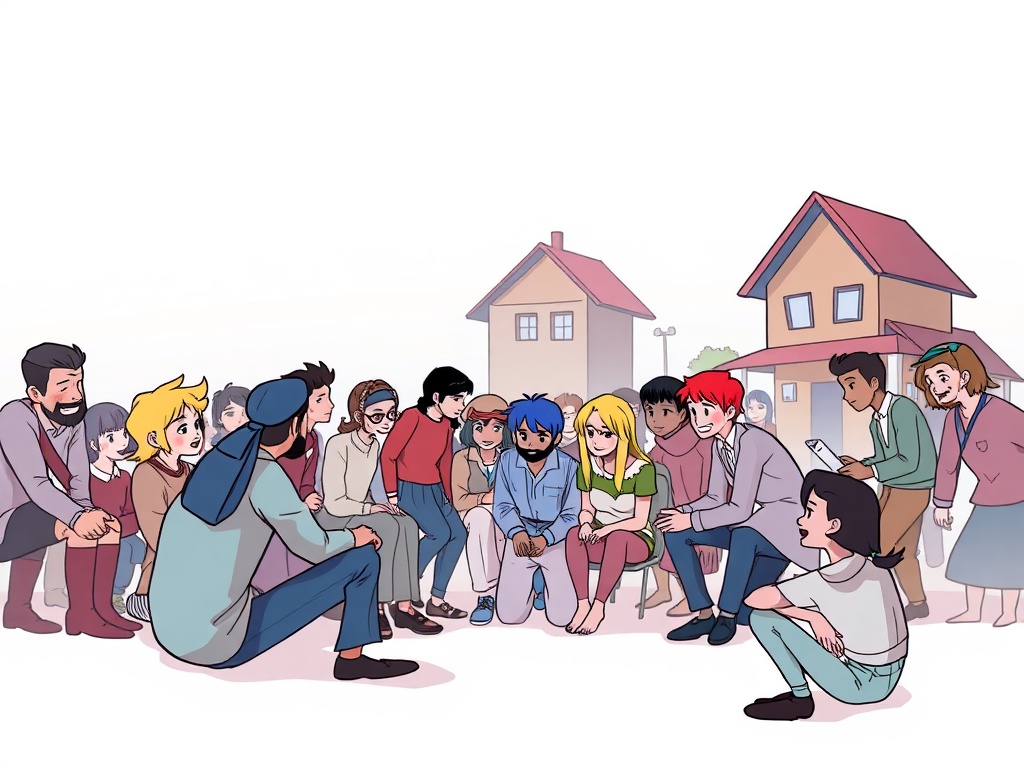
Preparedness and resilience
Resilient communities plan for shocks as well as opportunities. A neighborhood emergency plan, contact tree, and shared supplies go a long way. Train volunteers in basic first aid and communication protocols. Resilience work doubles as community-building: preparing together builds trust and offers a shared sense of purpose.
Measuring impact
Track simple metrics: participation numbers, events held, volunteer hours, and funds raised. Qualitative feedback—stories of improved safety, new friendships, or cost savings—can be just as persuasive when securing grants or municipal support.
A long-term mindset
Community building is a marathon, not a sprint.
Consistency, openness, and small, repeatable actions create momentum. When neighbors feel seen, useful, and connected, the neighborhood becomes a place people want to stay and invest in.
Every neighborhood has assets to start from. With modest planning, inclusive practices, and a focus on shared benefits, communities can become safer, more vibrant places where people look out for one another and thrive together.