The Future of Philanthropy: Smarter Giving for Bigger Impact
Philanthropy is evolving from check-writing into a strategic practice that blends compassion with measurable outcomes. Today’s philanthropists—individuals, families, foundations, and corporations—are redefining how resources are deployed to solve social problems.
The shift emphasizes partnership, data, and equity, making every dollar work harder and smarter.
Shift to strategic, long-term funding
A growing number of donors are moving away from one-off projects toward sustained investments in organizations and systems change. Long-term, flexible funding allows nonprofits to build capacity, retain talent, and adapt to shifting needs. Unrestricted grants are increasingly seen as one of the most effective ways to strengthen the nonprofit sector and enable durable impact.
Data-driven impact measurement
Philanthropic decision-making is becoming more evidence-based. Funders are using rigorous evaluation, real-time data dashboards, and outcome metrics to track progress and course-correct. Measurement isn’t about imposing rigid reporting; it’s about partnering with grantees to identify meaningful indicators and learn what works. Transparent data-sharing also boosts accountability and public trust.
Community-led and participatory grantmaking
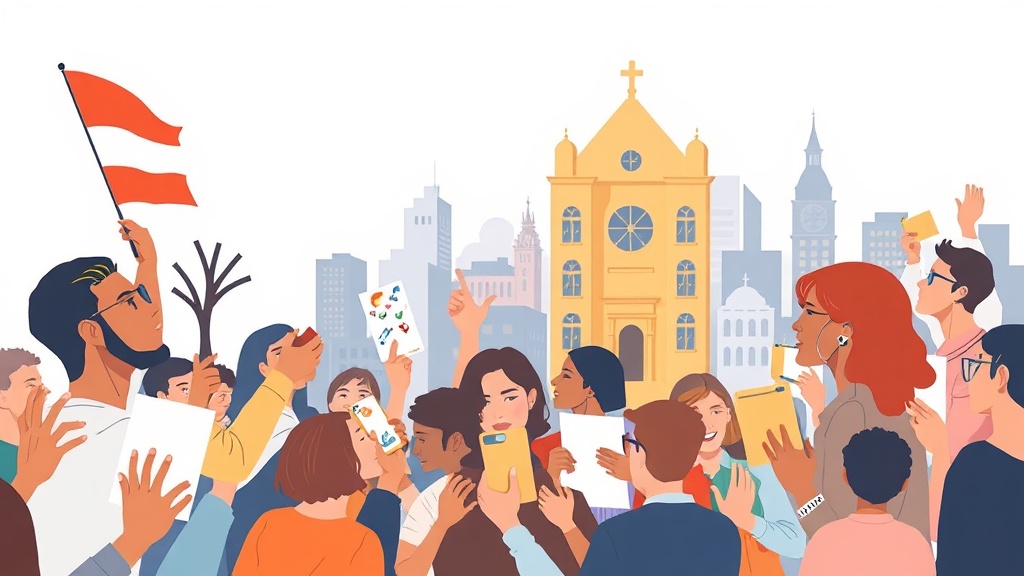
Power dynamics are changing as donors invite communities to lead funding decisions. Participatory grantmaking models place local residents, front-line workers, and beneficiaries at the center of the process, resulting in solutions that are culturally relevant and sustainably adopted.
This approach builds trust and ensures that funding aligns with the priorities of those most affected.
Blending philanthropy with investment
Impact investing and program-related investments are bridging the gap between grants and market returns. Donors are increasingly comfortable using blended finance to support social enterprises and scalable innovations.
This expands the pool of capital available for social good while preserving philanthropic capital for high-risk, high-reward initiatives.
Corporate philanthropy and employee engagement
Companies are integrating social purpose into their core strategies, not just through donations but through employee volunteering, skills-based support, and mission-aligned partnerships. Employee giving programs and matched donations amplify impact and strengthen employer brand, while cause-driven business practices can reshape supply chains and industry standards.
Technology and digital fundraising
Digital platforms have widened access to giving—crowdfunding, donor-advised funds, and microphilanthropy tools let more people participate.
Technology also streamlines grant application processes and enables better tracking of program outcomes. Still, human relationships remain critical; technology should enhance, not replace, deep engagement with partners.
Equity, inclusion, and ethical stewardship
There’s growing attention to equity in grantmaking: who receives funding, how decisions are made, and the historical context of resource distribution. Ethical stewardship means listening to marginalized communities, avoiding paternalistic practices, and ensuring transparency about goals, limitations, and results.
Practical steps for donors and organizations
– Prioritize flexible, multi-year support to enable strategic growth.
– Invest in measurement systems that stress learning as well as accountability.
– Center community voices through participatory decision-making.
– Consider blended finance options to scale proven models.
– Build partnerships that leverage complementary strengths, not competition.
– Commit to transparency around goals, costs, and outcomes.
Philanthropy today is about catalytic relationships as much as capital. By combining strategic thinking, local leadership, and rigorous learning, donors and nonprofits can accelerate progress on complex challenges.
The most effective approach balances urgency with patience, ambition with humility, and innovation with proven practice—creating resilient solutions that last.