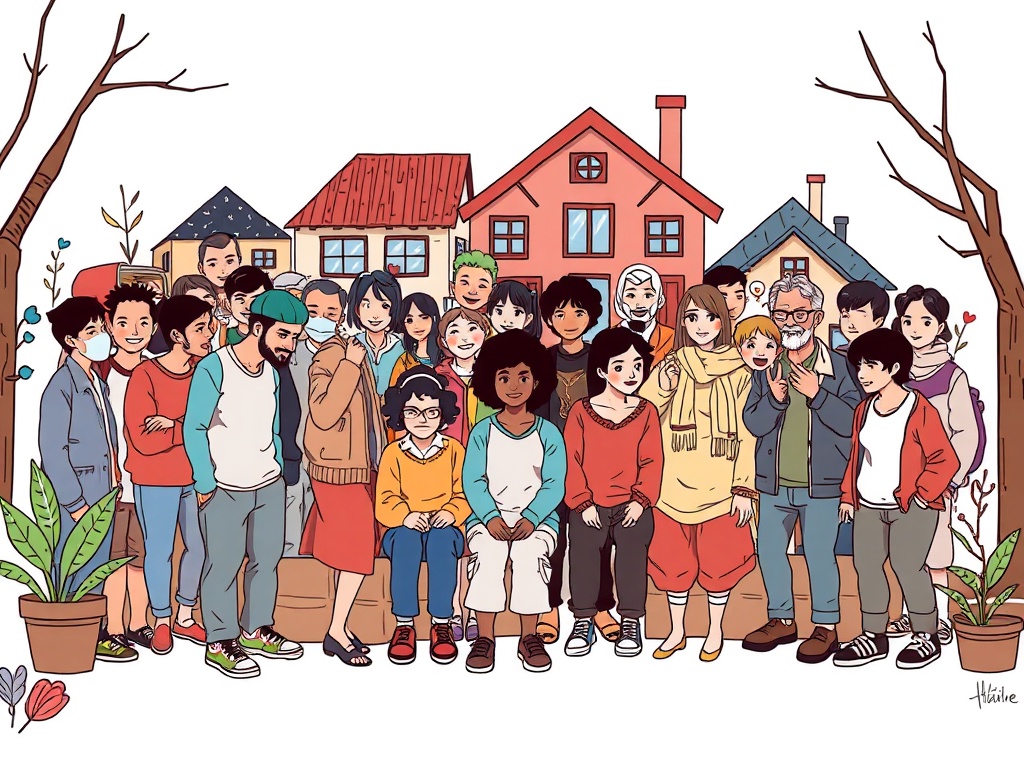
Building resilient, connected communities matters more than ever. Whether you live in a dense city, a small town, or a rural area, strong local ties improve health, safety, and economic opportunity. Today’s communities blend in-person relationships with digital tools, creating new ways to collaborate, support neighbors, and respond to shared challenges.
Why community connection matters
Strong communities provide practical and emotional resources. Neighbors who know each other share information during emergencies, organize mutual aid, and support local businesses. Social connection reduces isolation and improves well-being, while coordinated local action can influence policy, protect public spaces, and make neighborhoods safer and more vibrant.
Practical ways communities are evolving
– Hybrid gatherings: Community groups combine online planning with small, in-person events. This lowers barriers to participation and helps people join when schedules or mobility limit attendance.
– Mutual aid networks: Informal neighbor-to-neighbor systems provide short-term support like grocery runs, childcare swaps, or tool lending. These networks strengthen trust and fill gaps beyond formal services.
– Community gardens and shared green spaces: Public gardening projects create food access, beautify neighborhoods, and provide outdoor meeting places that boost mental health.
– Skill-sharing and time banks: Residents exchange expertise—plumbing help for language lessons, for example—so skills and resources circulate locally instead of relying solely on paid services.
– Local digital hubs: Hyperlocal forums, group messaging apps, and neighborhood platforms keep neighbors informed about safety, events, and volunteer needs without replacing face-to-face interaction.
How to strengthen your community (actionable steps)
1.
Start small and local: Organize a block clean-up, potluck, or pop-up market. Low-effort events attract newcomers and build momentum.
2. Create accessible channels: Use a mix of online groups and physical flyers or bulletin boards so people without apps can stay informed.
3. Connect with local institutions: Partner with libraries, schools, religious centers, and small businesses to share space, resources, and outreach networks.
4. Launch a mutual aid roster: Set up a simple list of volunteers willing to help with short tasks. Keep commitments clear and manageable.
5.
Encourage skill exchanges: Host monthly meetups where neighbors teach short workshops—gardening, basic bike maintenance, or resume reviews.
6. Invest in public space: Advocate for benches, lighting, and greenery that invite people to linger and interact safely.
7. Practice inclusive outreach: Translate materials, schedule events at varied times, and ask diverse neighbors what would make participation easier.
Measuring impact without bureaucracy
Community success isn’t only about formal metrics. Track simple indicators: event attendance, number of mutual aid requests fulfilled, new volunteers, and positive stories shared in local groups. These signals show growing trust and usefulness even when budgets are tight.
Challenges to expect
Time constraints, differing priorities, and digital divides can slow progress. Manage expectations by setting clear goals and rotating leadership to avoid burnout. Transparent communication and shared responsibilities keep initiatives sustainable.
A starting idea
Pick one attainable project: a monthly “neighbor hour” at a local park, a tool-sharing cabinet, or a small online group for parents, seniors, or new residents. Promote it through flyers, social media, and direct invitations. Small, consistent actions build relationships that ripple through a neighborhood.
Community is built one interaction at a time. By blending simple in-person efforts with smart digital tools and focusing on inclusivity, any neighborhood can become stronger, safer, and more connected.
Start with one step and invite a neighbor to take it with you.